Pitchfork's Review of Chris Brown's BROWN Album Reeks of Journalistic Malpractice
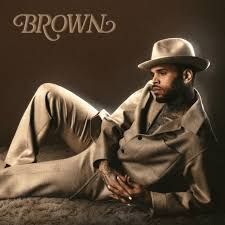
Pitchfork’s decision last Wednesday to hand Chris Brown’s new album BROWN a humiliating 1.4 rating feels less like serious music criticism and more like a calculated attempt to generate outrage and viral engagement. Reviewer Alphonse Pierre dismissed the album in one sentence as “soulless” and “hit-chasing,” while the outlet doubled down on social media, calling it “a real piece of shit.” That kind of language crosses the line from criticism into open antagonism. Honest journalism should dissect production choices, songwriting, vocal performances, and artistic direction, not reduce a 27-track album (which the reviewer clearly couldn't have bothered listening to) to a snarky punchline clearly designed for reposts on X. Whether one likes Chris Brown or not, there is a growing sense that modern music journalism increasingly values viral takedowns over balanced analysis.
What makes Pitchfork’s behavior look even more egregious is the timing. BROWN reportedly moved 67,000 first-week units and debuted at No. 5 on the Billboard 200, while Brown continues to sell out stadiums and dominate touring alongside Usher. The upcoming co-headlining stadium run between Brown and Usher has generated enormous buzz nationwide, proving that Brown remains commercially dominant regardless of what critics say. That reality raises an uncomfortable question for outlets like Pitchfork: has Chris Brown effectively become “critic-proof”? At some point, audiences begin to notice when critical consensus wildly diverges from consumer behavior. If millions are streaming the music, buying tickets, and supporting the artist, then a review that reads more like a moral condemnation than an objective critique risks losing credibility with readers.
The inconsistency in Pitchfork’s standards only fuels accusations of bias. Many fans pointed out that the outlet gave recent projects from artists like Ice Spice far more favorable scores despite what critics themselves often describe as simplistic or repetitive music. Meanwhile, BROWN is notably the only Chris Brown solo album Pitchfork has reviewed in roughly a decade. That selective attention makes the review feel less organic and more agenda-driven.
Brown certainly did himself no favors with his emotional Instagram response telling critics to “go listen to Zara Larsson,” but his frustration is understandable. Music journalism works best when it informs audiences, not when it behaves like a Twitter mob chasing engagement. The danger for publications like
Pitchfork is that audiences eventually stop taking them seriously altogether. Critics are supposed to challenge artists, but they are also supposed to maintain professionalism and intellectual honesty. When reviews become indistinguishable from personal vendettas or viral bait, they stop being criticism and start becoming performance art for social media outrage.