EDITORIAL

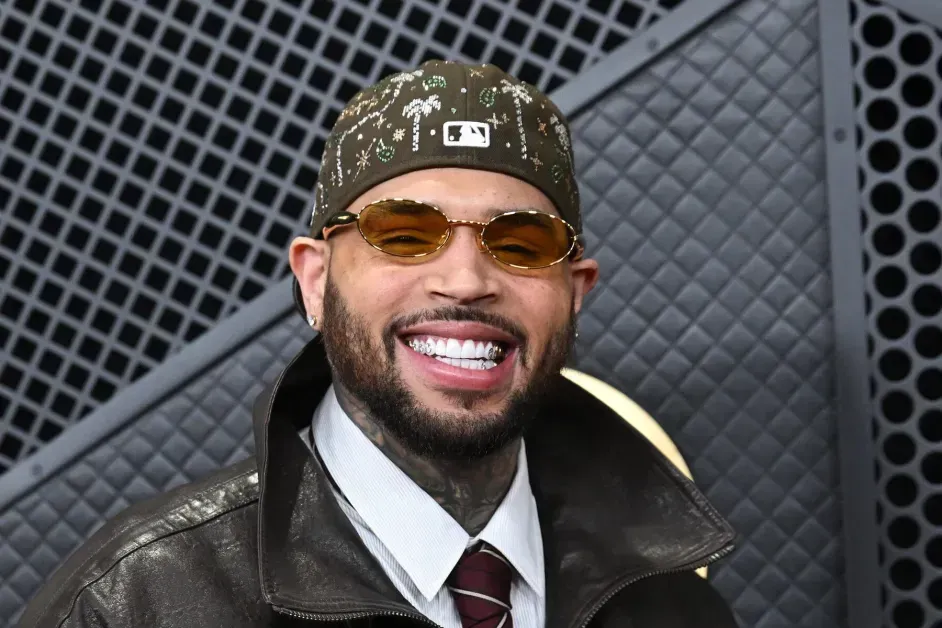
Pitchfork’s decision last Wednesday to hand Chris Brown’s new album feels less like serious music criticism and more like a calculated attempt to generate outrage and viral engagement. Reviewer Alphonse Pierre dismissed the album in one sentence as “soulless” and “hit-chasing,” while the outlet doubled down on social media, calling it “a real piece of shit.” That kind of language crosses the line from criticism into open antagonism. Honest journalism should dissect production choices, songwriting, vocal performances, and artistic direction, not reduce a 27-track album (which the reviewer clearly couldn't have bothered to listen to) to a snarky punchline clearly designed for reposts on X. Whether one likes Chris Brown or not, there is a growing sense that modern music journalism increasingly values viral takedowns over balanced analysis. What makes Pitchfork’s behavior look even more egregious is the timing. BROWN reportedly moved 67,000 first-week units and debuted at No. 5 on the Billboard 200, while Brown continues to sell out stadiums and dominate touring alongside Usher. The upcoming co-headlining stadium run between Brown and Usher has generated enormous buzz nationwide, proving that Brown remains commercially dominant regardless of what critics say. That reality raises an uncomfortable question for outlets like Pitchfork: has Chris Brown effectively become “critic-proof”? At some point, audiences begin to notice when critical consensus wildly diverges from consumer behavior. If millions are streaming the music, buying tickets, and supporting the artist, then a review that reads more like a moral condemnation than an objective critique risks losing credibility with readers. The inconsistency in Pitchfork’s standards only fuels accusations of bias. Many fans pointed out that the outlet gave recent projects from artists like Ice Spice far more favorable scores despite what critics themselves often describe as simplistic or repetitive music. Meanwhile, BROWN is notably the only Chris Brown solo album Pitchfork has reviewed in roughly a decade. That selective attention makes the review feel less organic and more agenda-driven. Brown certainly did himself no favors with his emotional Instagram response telling critics to “go listen to Zara Larsson,” but his frustration is understandable. Music journalism works best when it informs audiences, not when it behaves like a Twitter mob chasing engagement. The danger for publications like Pitchfork is that audiences eventually stop taking them seriously altogether. Critics are supposed to challenge artists, but they are also supposed to maintain professionalism and intellectual honesty. When reviews become indistinguishable from personal vendettas or viral bait, they stop being criticism and start becoming performance art for social media outrage.

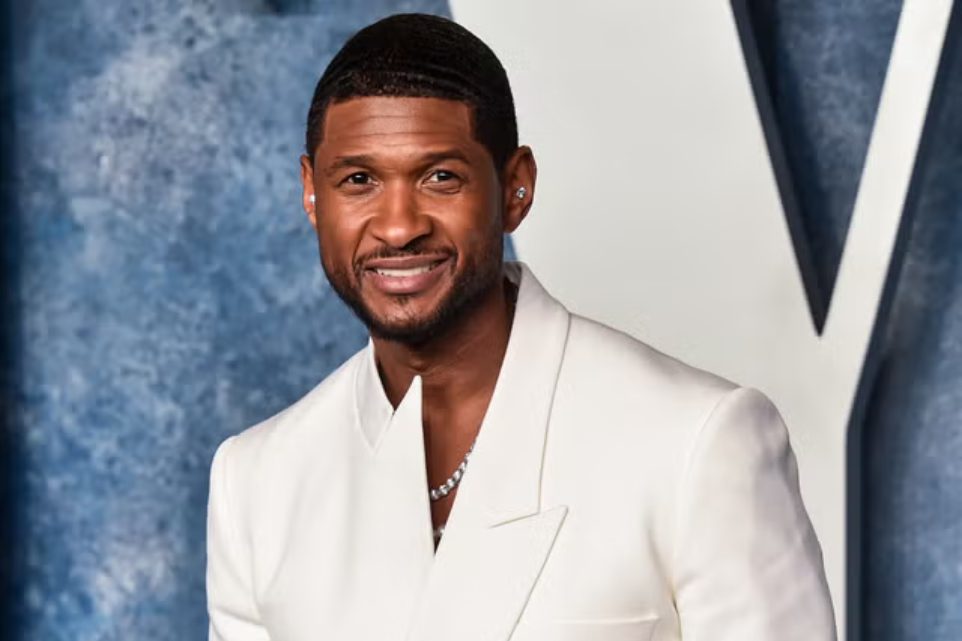
When Usher speaks on legacy, it carries weight. After all, if anyone knows anything about legacy it's Usher, a man who since he released his self-titled debut album at the age of 15 in 1994, has gone on to win 8 Grammy's while becoming one the world's most recognized contemporary R&B singers and pop musicians. So when Usher speaks, people listen, which makes his recent defense of former mentor Sean "P. Diddy" Combs, somewhat disturbing Indeed, in an interview last week with Forbes , talking about his own legacy as a an artist, businessman, and father, Usher spoke out in defense of the recently convicted of two counts of transportation of prostitution Combs. Describing for former head of Bad Boy Records as “misrepresented” and worthy of recognition, comments that reflected a deeply personal truth rooted in mentorship and early career influence. As for Usher, Diddy is not just a headline or a conviction; but a formative figure, a teacher during a critical moment in both his life and career. A perspective that's certainly valid as personal experience often complicates public narratives, especially when it comes to icons who helped shape culture and opportunity for others.

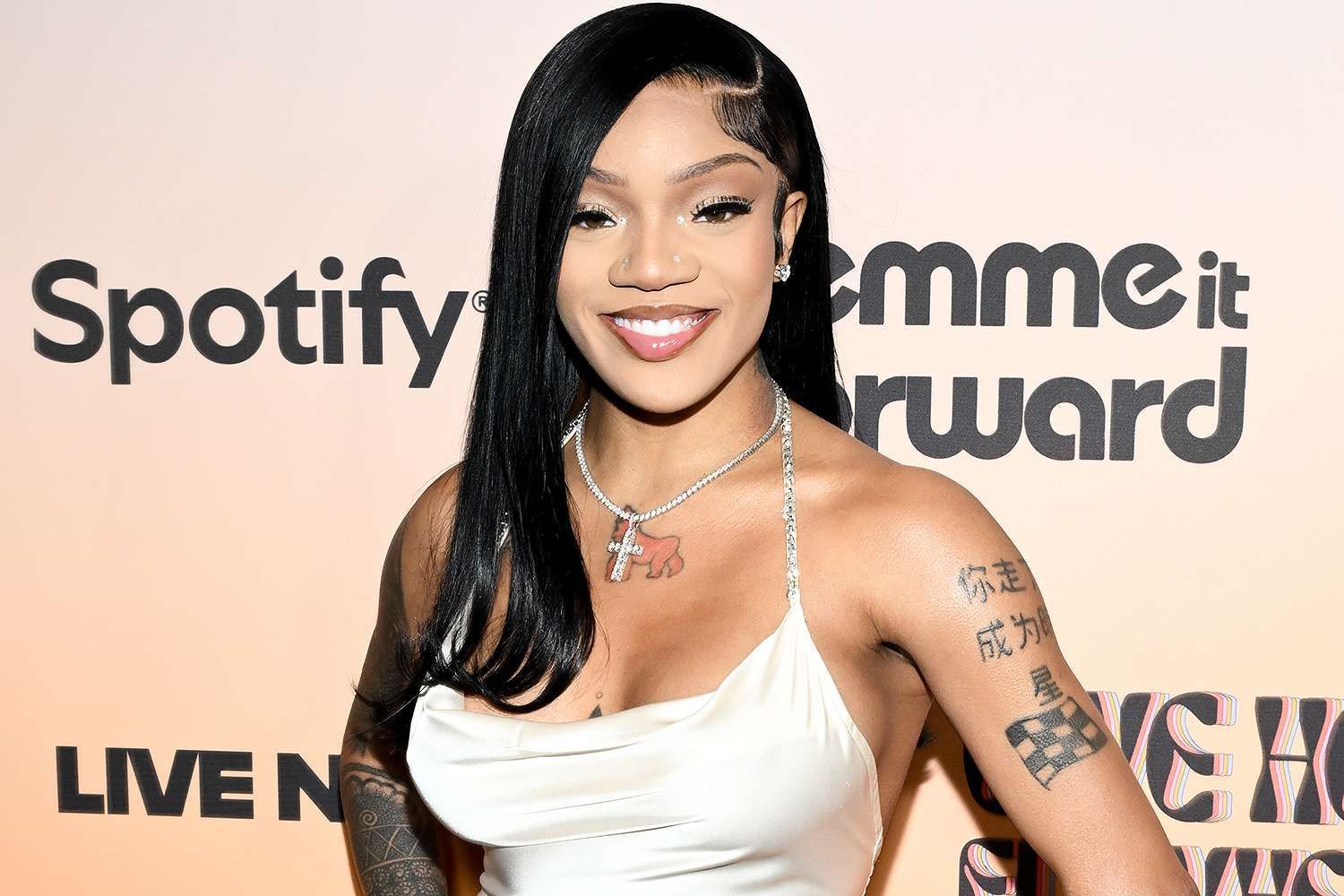
GloRilla’s recent public clash with her sister Victoria “Scar Face” Woods has ignited a familiar and uncomfortable conversation about fame, family, and financial obligation. Since breaking out in 2022 with “F.N.F. (Let’s Go)” and quickly ascending to mainstream success with charting singles, awards, and a top-five debut album, the Memphis rapper has become one of hip-hop’s fastest-rising stars. But with that success has come an expectation that she must now serve as the financial backbone of an extended family, a burden that too often gets placed on the first person to “make it” out of difficult circumstances. Scar Face’s claims that GloRilla has abandoned family members in need tap into a narrative that success equals permanent responsibility. Yet the evidence suggests a far more complicated reality. GloRilla has publicly shown moments of generosity toward her parents and loved ones, and other family members have stepped forward to defend her support over the years. Her response (including sharing a message of appreciation from her mother and urging her sister to seek employment) may have felt blunt, but it underscored a necessary point: providing help does not mean surrendering one’s autonomy or becoming an endless source of cash for anyone who asks.

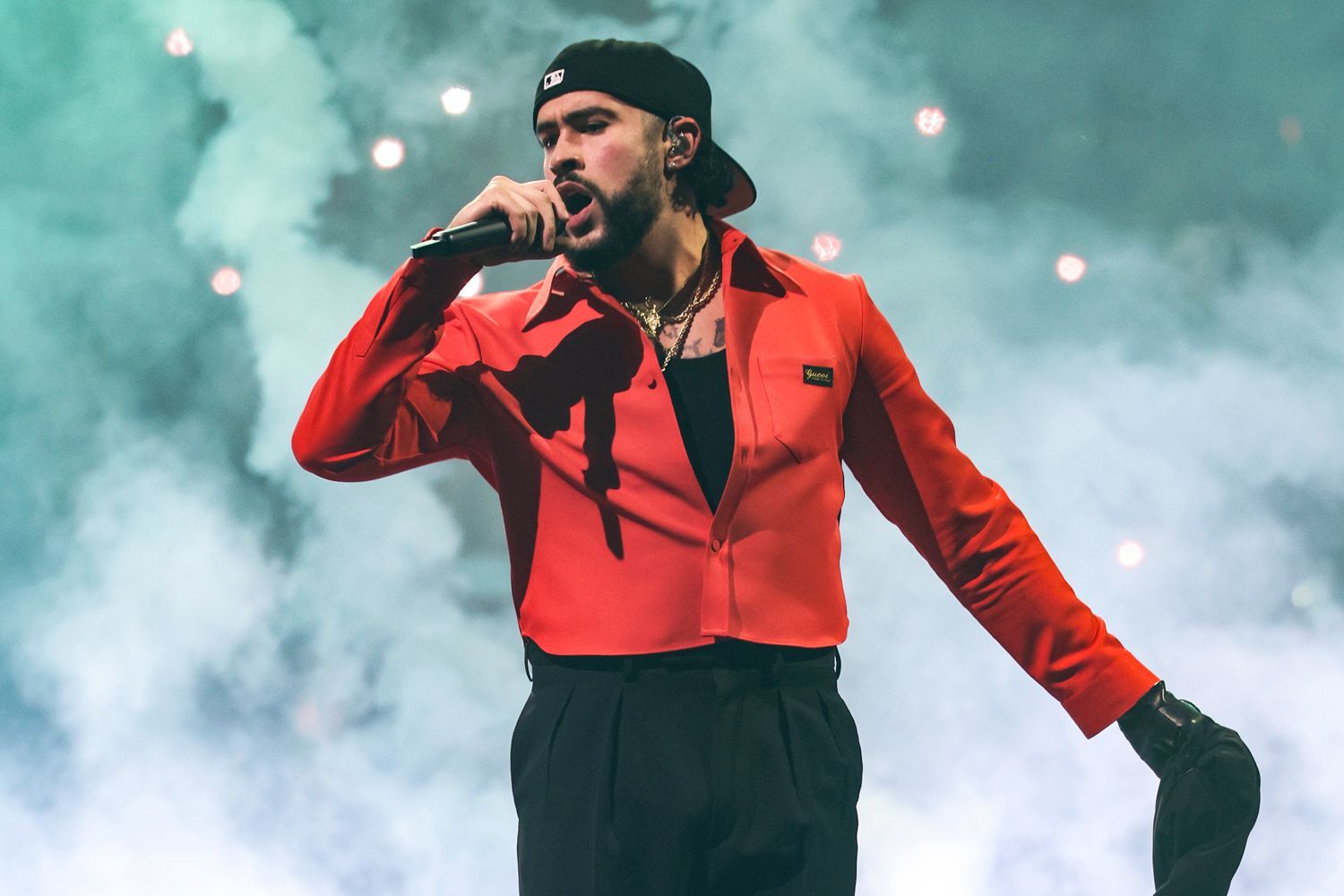
When the NFL announced that Bad Bunny would headline the Super Bowl LX halftime show on February 8, 2026, it should have been a celebratory moment: a recognition of one of the most globally successful and culturally significant artists of the modern era. Instead, the reaction from conservative corners of America has been nothing short of absurd. From politicians to pundits to former football players, the outrage over a Puerto Rican superstar performing at America’s biggest sporting event reveals more about their own insecurities and biases than it does about Bad Bunny or his music. The outrage machine kicked into overdrive almost immediately. Just this Tuesday, Speaker of the House Mike Johnson called the NFL’s decision “terrible” and suggested 82-year-old Lee Greenwood should perform instead, as though nostalgia were the only valid form of patriotism. Recently, Fox Nation host Tomi Lahren embarrassed herself by claiming Bad Bunny “is not an American artist,” only to be reminded (on her own show) that Puerto Rico is part of the United States. Even Donald Trump jumped into the fray, claiming he’d “never heard of him,” a statement that says more about Trump’s cultural ignorance than about Bad Bunny’s reach. Hall of Famer Eric Dickerson also chimed in on the brouhaha, telling Bunny to “keep his ass away” from the Super Bowl if he doesn’t “like America.” Nonetheless it’s a pattern we’ve seen before: manufactured outrage cloaked in nationalism and cultural insecurity.