The Backlash Against Bad Bunny Performing at the Super Bowl Halftime Show Has Gotten Ridiculous
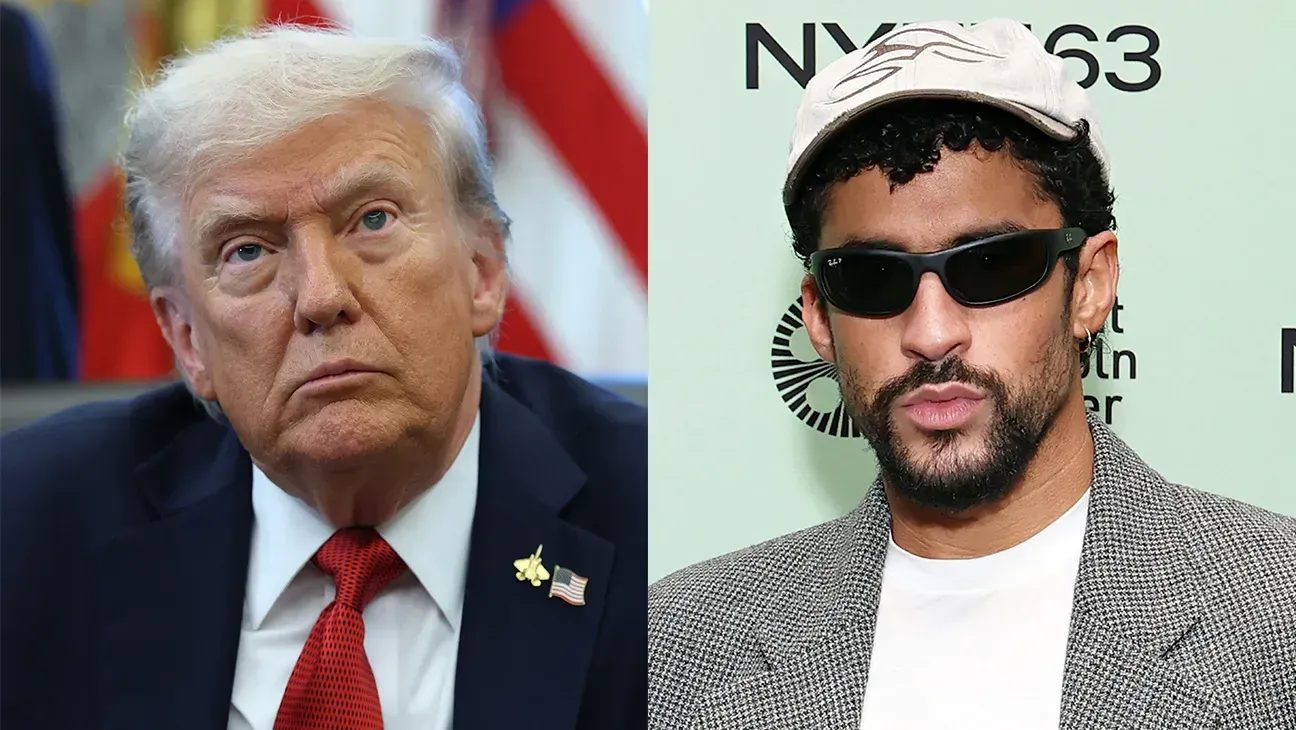
When the NFL announced that Bad Bunny would headline the Super Bowl LX halftime show on February 8, 2026, it should have been a celebratory moment: a recognition of one of the most globally successful and culturally significant artists of the modern era. Instead, the reaction from conservative corners of America has been nothing short of absurd. From politicians to pundits to former football players, the outrage over a Puerto Rican superstar performing at America’s biggest sporting event reveals more about their own insecurities and biases than it does about Bad Bunny or his music.


The outrage machine kicked into overdrive almost immediately. Just this Tuesday, Speaker of the House Mike Johnson called the NFL’s decision “terrible” and suggested 82-year-old Lee Greenwood should perform instead, as though nostalgia were the only valid form of patriotism. Recently, Fox Nation host Tomi Lahren embarrassed herself by claiming Bad Bunny “is not an American artist,” only to be reminded (on her own show) that Puerto Rico is part of the United States. Even Donald Trump jumped into the fray, claiming he’d “never heard of him,” a statement that says more about Trump’s cultural ignorance than about Bad Bunny’s reach. Hall of Famer Eric Dickerson also chimed in on the brouhaha, telling Bunny to “keep his ass away” from the Super Bowl if he doesn’t “like America.” Nonetheless it’s a pattern we’ve seen before: manufactured outrage cloaked in nationalism and cultural insecurity.
But perhaps the most ridiculous argument came from noted YouTube interviewer DJ Vlad, who recently complained on X that Bad Bunny’s songs are in Spanish and that “only 14% of Americans speak Spanish.” Yet, that narrow view ignores the fact that music transcends language. And data shows that Latin music’s influence in the U.S. is exploding. Indeed, recent studies show that over 43 million Americans speak Spanish at home, and millions more are bilingual or enjoy international music genres like Latin, Afrobeats, and K-Pop. Bad Bunny himself is the most-streamed artist in the world and headlined Coachella, hardly the résumé of someone “too foreign” for a global stage like the Super Bowl.


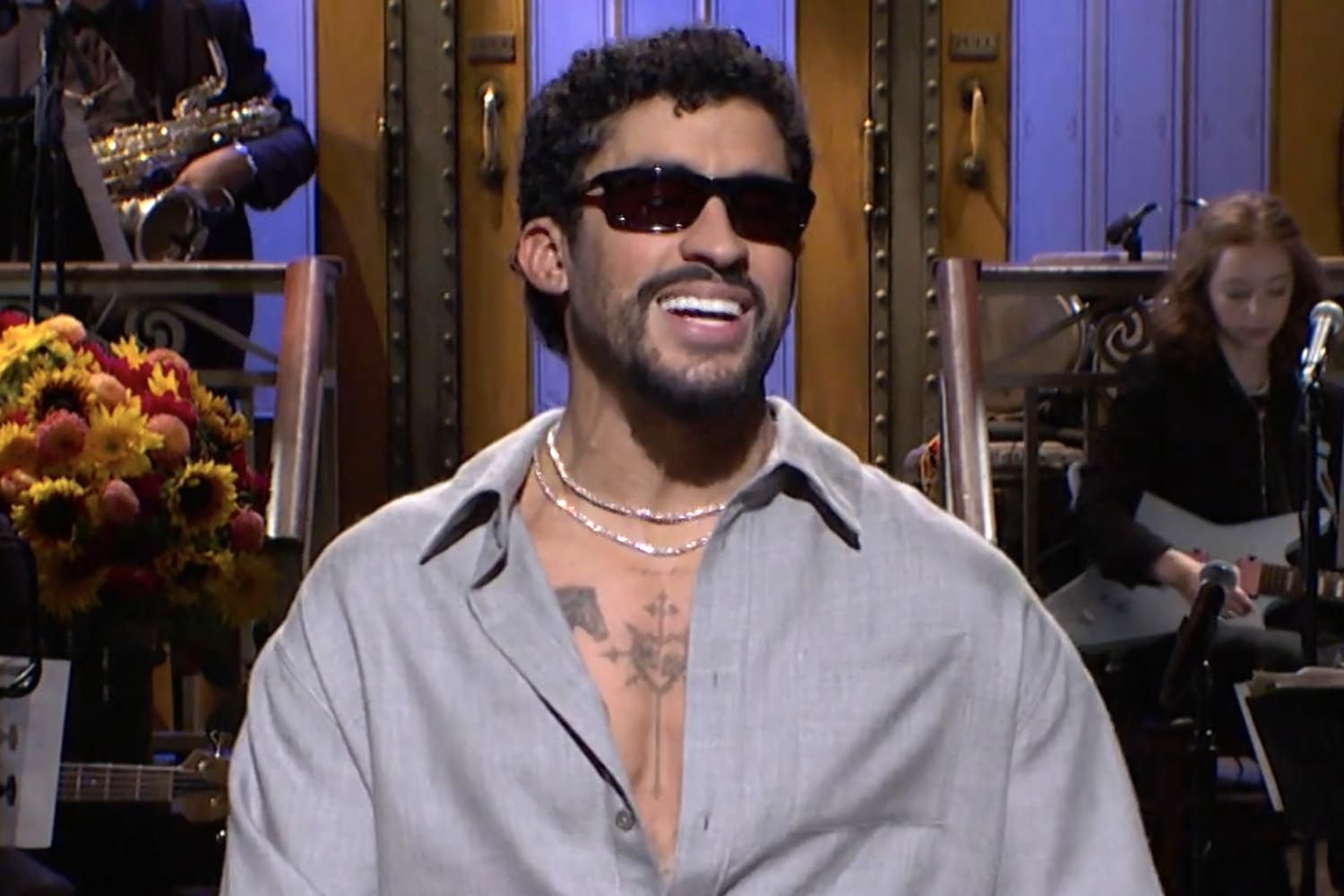
At its core, this backlash isn’t really about music, it’s about fear. Fear of a multicultural America that no longer revolves around one language, one genre, or one identity. Bad Bunny’s success represents the very globalization and diversity conservatives often rail against. But that ship has long sailed. The NFL is simply reflecting what its audience already looks like: diverse, young, and culturally open. (To his credit, Bad Bunny responded to MAGA critics upset that he'll be the 2026 Super Bowl halftime performer during his Saturday Night Live monologue on Saturday by speaking in Spanish and then telling them they have four months to learn what he just said.)


That said, when Bad Bunny steps onto that stage in February, millions will be watching. Bot not because of his politics, but because of his artistry. And just like every other year, the halftime show will come and the world will keep spinning. The critics will then find something else to be angry about, while Bad Bunny will keep doing what he’s always done: making history, breaking records, and proving that music, like America itself, belongs to everyone.
By Status Ain't Hood Staff January 9, 2026
Fast-rising Nigerian star Priesst opens the year with “Akonuche,” a purposeful single whose title means “wisdom.” Built on intentional songwriting, the track explores clarity, direction, and success, serving as both a statement and a guide for the year ahead. Already gaining traction, “Akonuche” has surpassed 20,000 Shazams and inspired over 10,000 TikTok creations, signaling a breakout moment and positioning Priesst as an artist to watch in 2026.
By Status Ain't Hood Staff January 9, 2026
Jamaican super-producer Rvssian continues his global run with his new single “What I Like,” featuring Moliy, Ayetian, and Tyga. Built on his Recovery Riddim, the track stretches from Jamaica to Ghana, spotlighting Moliy’s signature sexy flair and smooth delivery. Known for the breakout hit “Shake It To The Max,” Moliy adds Afro-fusion appeal to the juggling, while Ayetian and Tyga round out a polished African–Jamaican crossover poised to resonate worldwide.
By Status Ain't Hood Staff January 9, 2026
R&B boy group 2BYG makes a strong debut with The Yearbook, a nine-track mixtape released last November via Def Jam. Hailing from Fort Worth, Texas, the four members blend early-2000s R&B and new jack swing influences with modern flair. Showcasing smooth harmonies, falsettos, and heartfelt themes of love and growth, the project positions 2BYG as a new-generation group honoring classic Black boy-band traditions while appealing to Gen Z listeners.
By Status Ain't Hood Staff January 9, 2026
Miami-to–L.A. singer and rapper DaniLeigh returns with the video for “Expensive,” her first new music since the release of her 2022 album My Side. The sultry, smooth track and its accompanying visuals reflect on life’s trials and tribulations, with DaniLeigh emphasizing the importance of prioritizing meaningful love and emotional fulfillment over work, status, or material possessions.
By Status Ain't Hood Staff January 9, 2026
Bruno Mars released his new single “I Just Might” on Friday, Jan. 9, along with a playful music video directed by Daniel Ramos and Mars. The party-style clip features multiple versions of Mars performing every role in the band, from singer to DJ, while dancing in synchronized choreography. He dubbed himself the “Aura Lord” on Instagram. The song, centered on a dance-floor romance, is the lead single from his upcoming album The Romantic, due Feb. 27.
By Status Ain't Hood Staff January 9, 2026
A New York judge has dismissed Salt-N-Pepa’s lawsuit against Universal Music Group (UMG) over control of their master recordings, including their 1987 breakout hit “Push It.” Cheryl “Salt” James and Sandra “Pepa” Denton filed the lawsuit in May 2025, arguing that the Copyright Act of 1976 allows artists to reclaim copyrights after 35 years. The duo had submitted termination notices in 2022 seeking to end UMG’s ownership of their early recordings. UMG pushed back, claiming the termination notices were invalid because the recordings were “works made for hire” and that Salt-N-Pepa never owned the masters. The label filed a motion to dismiss the case in August. On Thursday, Judge Denise Cote granted that motion, ruling that the artists failed to state a valid claim. According to the dismissal, ownership of the master recordings was granted to Noise in the Attic (NITA) Productions, with contracts executed between NITA and Next Plateau Records, not directly by Salt-N-Pepa.  In her ruling, Judge Cote wrote that “none of the contracts identified by Plaintiffs indicate that they ever owned the Master Tapes,” adding that the Copyright Act only allows termination of copyright transfers executed by the plaintiffs themselves. Salt-N-Pepa told Variety they plan to appeal the decision, stating they “respectfully disagree” with the ruling and remain committed to reclaiming their rights as creators under the Copyright Act.
By Status Ain't Hood Staff January 9, 2026
Buku Abi, the daughter of imprisoned R&B singer R. Kelly, is continuing to speak openly about her healing journey following years of public scrutiny and personal trauma. Nearly two years after first discussing the impact of her father’s actions on her mental health, Abi reflected on her experiences during a recent appearance on Reginae Carter’s show Heir Time, describing both growth and lingering challenges. Abi addressed the backlash her family faced after her mother, Drea Kelly, appeared in the Surviving R. Kelly documentary, calling the experience “bittersweet.” While she supported her mother’s decision to speak out, Abi said the public response was difficult for their family. She also shared relief that attention has shifted away from her father, allowing her to focus on healing. In the docuseries R. Kelly’s Karma: A Daughter’s Journey, Abi alleged her father molested her at age 8, leading to severe mental health struggles, including self-harm and suicide attempts. Despite the trauma, Abi emphasized that her feelings toward her father are complex, rooted in love alongside accountability. R. Kelly, who denies her allegations, is currently serving a 30-year prison sentence following convictions for racketeering, sex trafficking, and child pornography. Abi said she continues to work through mental health and substance-use struggles, leaning on faith and healthier coping tools, and urged the public to approach her family’s story with empathy and understanding.
By Status Ain't Hood Staff January 9, 2026
Rapper Fetty Wap has been released early from federal prison and transferred to home confinement, nearly three years after being convicted of conspiracy to distribute cocaine. The “Trap Queen” artist, whose real name is Willie Junior Maxwell II, was sentenced in May 2023 to six years in prison and five years of post-release supervision by a New York court. The U.S. Federal Bureau of Prisons confirmed that Fetty Wap was transferred on January 7, 2026, from FCI Sandstone in Minnesota to community confinement under the supervision of the Bureau’s Philadelphia Residential Reentry Management Office. His publicist confirmed he is now under home confinement, with a projected release date of November 8, 2026. In a statement shared with CNN, Fetty Wap thanked his supporters and said his focus is on giving back through community initiatives aimed at at-risk youth, including education, technology access, and vision care. His publicist said the rapper is “in good spirits” and focused on family, fatherhood, music, and making a meaningful impact, noting he gained greater clarity during incarceration about creating long-term opportunities for young people.
By Status Ain't Hood Staff January 8, 2026
This Throwback Thursday takes us back to October 14, 1999, when Destiny’s Child released “Say My Name,” the standout single from The Writing’s on the Wall. Written by Beyoncé Knowles, Kelly Rowland, LeToya Luckett, LaTavia Roberson and collaborators, and produced by Rodney Jerkins, the track marked a turning point for the group. While it features the original lineup on the recording, the music video famously introduced Michelle Williams and Farrah Franklin, signaling a new era amid behind-the-scenes upheaval. Musically, “Say My Name” sounded unlike anything else on R&B radio at the time. Producer Rodney Jerkins has since revealed that the song was inspired by UK garage music—specifically the 2-step rhythms he heard while clubbing in London. That influence helped shape the track’s skittering drums, shifting dynamics, and futuristic bounce, even after an early version initially left Beyoncé unconvinced. The reworked mix clicked, and history followed. The results were massive. “Say My Name” became Destiny’s Child’s biggest hit to date, topping the Billboard Hot 100, winning two Grammys, and earning Video of the Year honors in R&B categories. Decades later, its blend of suspicion-filled lyrics, bold production, and global club energy still feels timeless—and remains a defining moment in pop and R&B history.
By Status Ain't Hood Staff January 7, 2026
This is paragraph text. Click it or hit the Manage Text button to change the font, color, size, format, and more. To set up site-wide paragraph and title styles, go to Site Theme.
More Posts