
The Ronettes
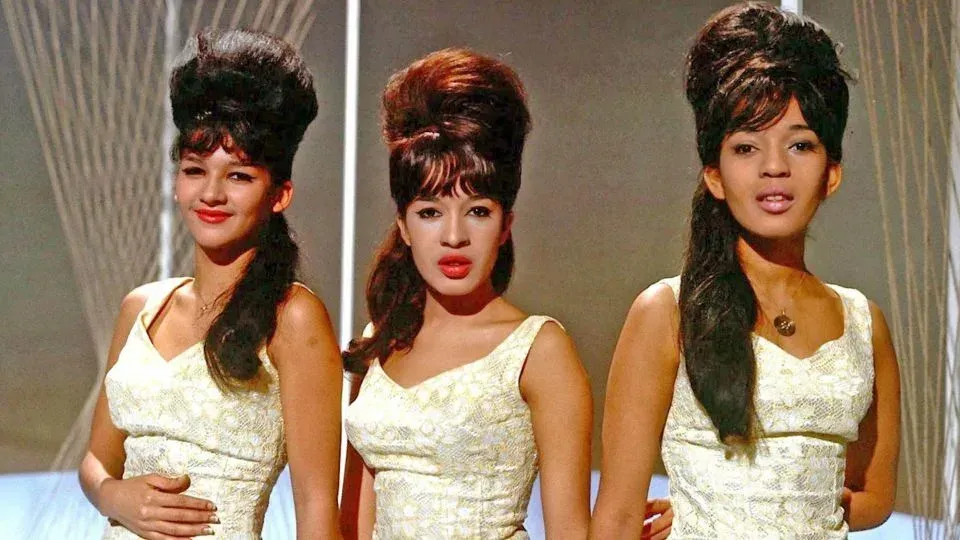
Few groups captured the spirit of 1960s pop quite like The Ronettes, the trailblazing trio from Washington Heights, New York. Comprised of Ronnie Spector (born Veronica Bennett), her sister Estelle Bennett, and their cousin Nedra Talley, the group rose from humble family performances to international fame. What began as teenage harmonies in their grandmother’s living room evolved into a defining sound of the girl group era, blending soulful vocals with a bold, unmistakable style that would influence generations.
Their breakthrough came under the guidance of producer Phil Spector, whose “Wall of Sound” elevated tracks like Be My Baby into timeless classics. The song soared to No. 2 on the Billboard Hot 100 and became one of the most iconic recordings in pop history, later earning a place in the Grammy Hall of Fame. Follow-up hits such as “Baby, I Love You,” “Walking in the Rain,” and “(The Best Part of) Breakin’ Up” solidified their chart presence, while their lone album, Presenting the Fabulous Ronettes Featuring Veronica, earned critical acclaim and lasting recognition.
Beyond the charts, the Ronettes left an indelible mark on music culture. They toured with legends like The Beatles and The Rolling Stones, becoming the only girl group to join the Beatles on a U.S. tour. Their influence extended far beyond their era, inspiring artists from Brian Wilson to Amy Winehouse, while their signature beehive hair and dramatic eye makeup became a cultural blueprint for pop style. Even as the British Invasion reshaped the musical landscape, the Ronettes remained a powerful presence.
Though internal tensions and industry challenges led to their breakup in 1967, their legacy endured through accolades and recognition, including inductions into the Vocal Group Hall of Fame and the Rock and Roll Hall of Fame. With the passing of Nedra Talley last month, all original members of the Ronettes have now died, marking the end of an era. Yet their music continues to echo through time—romantic, rebellious, and unmistakably theirs—ensuring that the voice of the Ronettes will remain eternal.





Jill Scott Postpones Tour Dates After COVID Diagnosis, Reflects on Career and R&B Hall of Fame Honor