“Keffe D” Davis Sentenced to 40 Years to Life for Tupac Shakur’s Murder
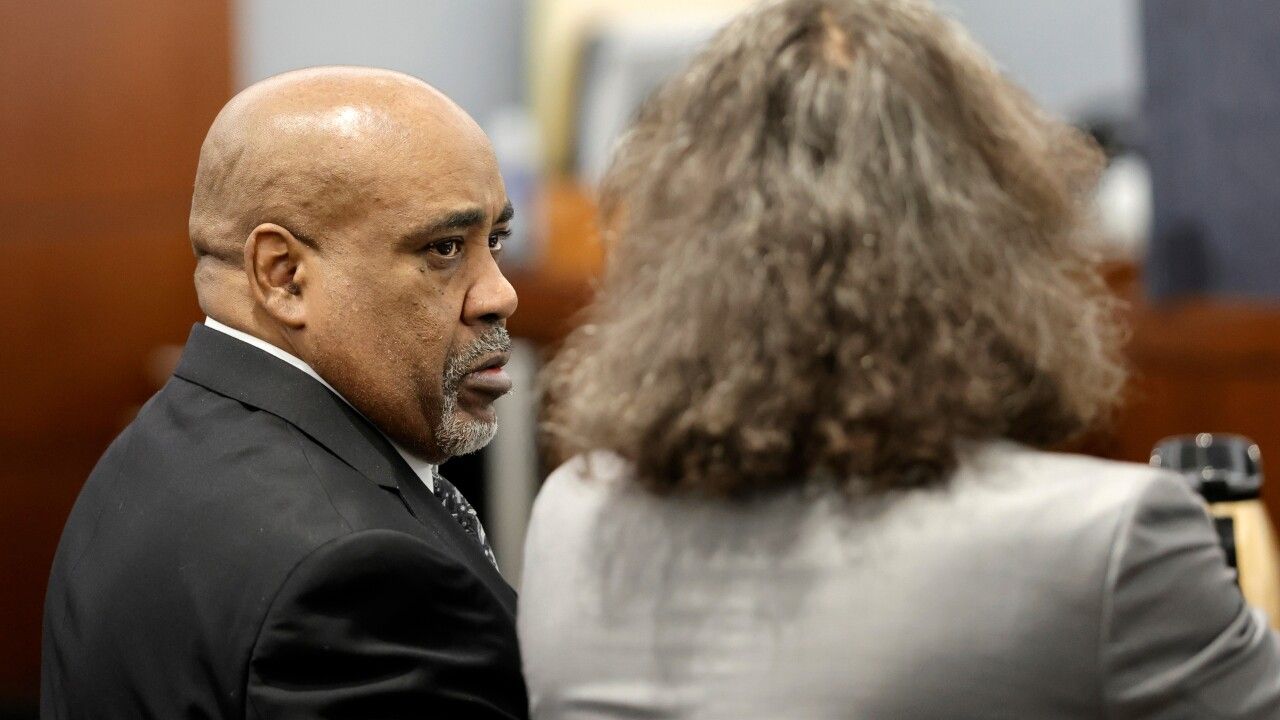
Duane “Keffe D” Davis, a former gang leader convicted of orchestrating the 1996 killing of rap legend Tupac Shakur, was sentenced Tuesday to 40 years to life in prison. Davis, 63, was convicted in August of first-degree murder with the use of a deadly weapon for his role in the drive-by shooting near the Las Vegas Strip. The case remained unsolved for decades before Davis publicly discussed his alleged involvement in interviews and a 2019 memoir. Judge Carli Kierny emphasized the lasting impact of Shakur’s death, telling Davis that he could not take a man from his family and simply walk away, particularly when that man was Tupac Shakur. Even with credit for time served, Davis is not expected to become eligible for parole until he is at least 100 years old. His attorney has said he plans to appeal the conviction.
Shakur, who was 25, was shot multiple times on September 7, 1996, while riding in a black BMW driven by music executive Marion “Suge” Knight. A white Cadillac pulled alongside the vehicle at a red light, and gunfire erupted. Knight survived, but Shakur died six days later from his injuries. According to Davis’ account, the shooting was retaliation for an earlier altercation in Las Vegas involving Shakur’s entourage and Davis’ nephew. Davis claimed he was in the passenger seat of the Cadillac and passed a gun to someone in the backseat, who fired the shots. Prosecutors argued during the trial that Davis orchestrated the attack and supplied the weapon amid a longstanding rivalry between the South Side Compton Crips and the Mob Piru gang. The defense challenged the lack of physical evidence connecting Davis directly to the decades-old crime and portrayed him as someone who exaggerated his involvement for financial gain.
Shakur’s family described the sentencing as an emotional moment after nearly three decades of grief. His sister, Sekyiwa “Set” Shakur, spoke about the pain of repeatedly hearing Davis recount the circumstances surrounding her brother’s death, describing him as a kind and gentle person who protected his family. She also reflected on the future he might have pursued, suggesting he could have moved beyond music into activism or politics. “This man’s life mattered,” she said as family members cried in the courtroom. Shakur’s brother, Maurice “Mopreme” Shakur, also described the killing as devastating for the family and the rapper’s fans. Although Davis remains the only person charged in Shakur’s murder, the case’s conclusion has renewed attention on the life and legacy of an artist whose music legacy was to address hardship, love and the struggles of Black Americans