
Seagram
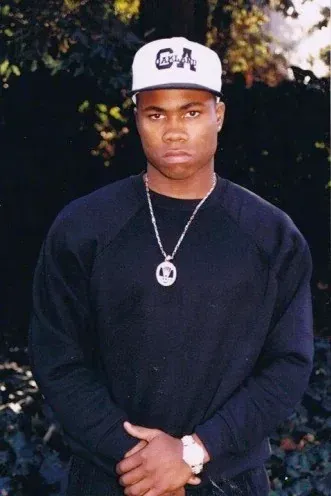
This past July 31 mared another year since the tragic passing of Seagram Miller, the Oakland rapper whose voice helped define an era of West Coast hip-hop. Born on April 13, 1970, Seagram emerged from Oakland's vibrant rap scene with an uncompromising style rooted in authenticity and social awareness. As the first West Coast artist signed to Houston's Rap-A-Lot Records, he broke regional barriers while bringing national attention to Oakland's unique perspective. His debut album, The Dark Roads (1992), introduced listeners to his vivid storytelling, tackling violence, inequality, and survival with honesty rather than glorification, establishing him as one of the genre's most compelling lyricists.
Seagram continued to build on that reputation with Reality Check (1994), a critically respected sophomore effort featuring collaborations with rap heavyweight Scarface. His music stood apart because it balanced gritty street narratives with thoughtful reflections on the consequences of violence and the realities facing inner-city communities. While many artists focused solely on toughness, Seagram delivered stories filled with pain, resilience, and hope, helping shape the evolution of West Coast rap. His influence can still be heard in generations of artists who embrace introspective storytelling while remaining true to their communities.
Tragically, Seagram's promising career was cut short when he was killed in an unsolved drive-by shooting in Oakland on July 31, 1996, at just 26 years old. He was laid to rest in his hometown, and his posthumous album, Souls on Ice, arrived in 1997 as a lasting reminder of the remarkable talent the hip-hop world lost far too soon. Although his catalog consists of only three albums, Seagram's fearless storytelling, cultural impact, and unwavering authenticity continue to resonate with fans and artists alike. Nearly three decades after his passing, his legacy remains firmly woven into the foundation of West Coast hip-hop, ensuring that his voice will never be forgotten.





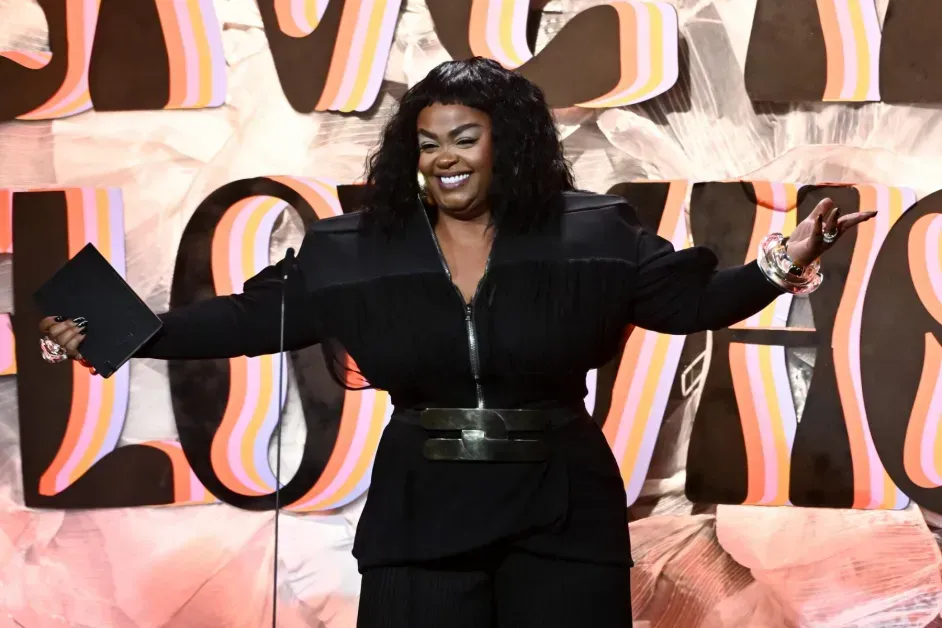
Jill Scott Postpones Tour Dates After COVID Diagnosis, Reflects on Career and R&B Hall of Fame Honor