Victony feat. Don Toliver & Summer Walker - Slick (Remix) [Music Video]
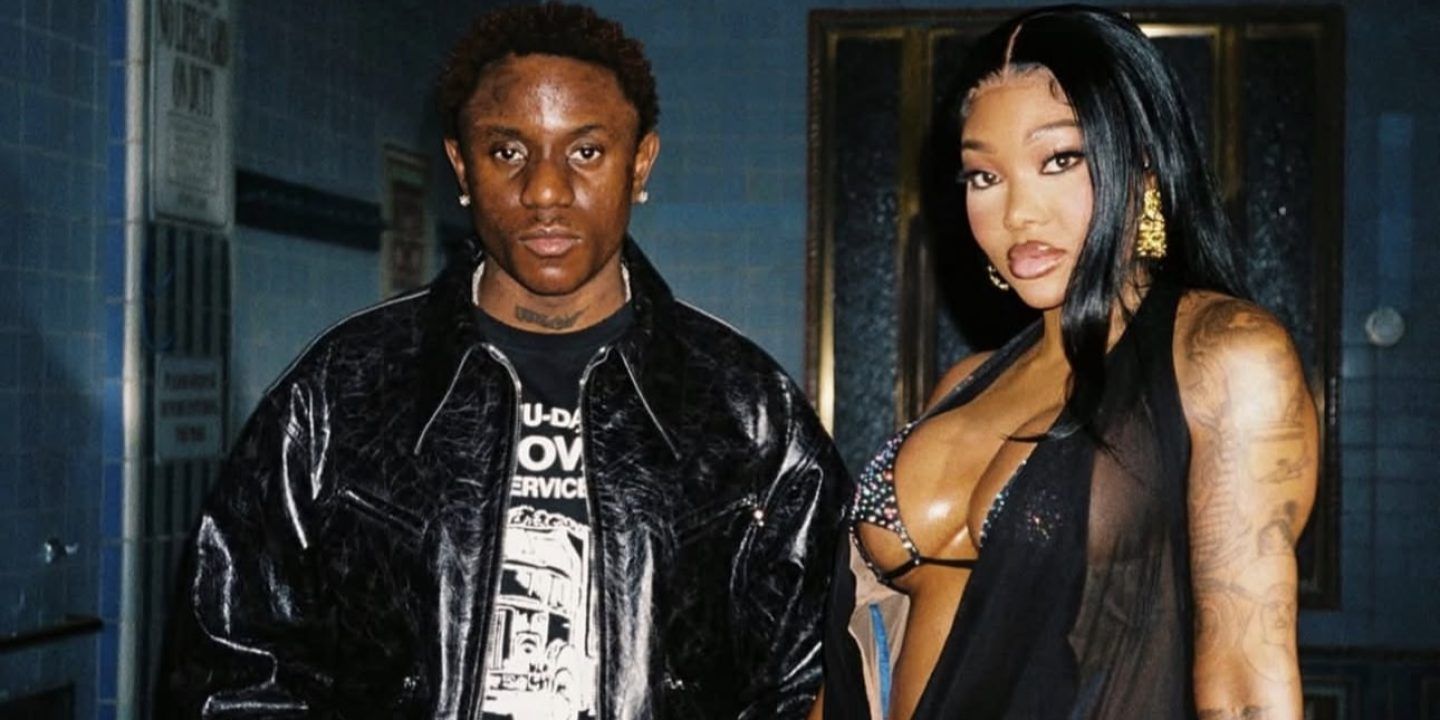
Nigerian singer Victony expands his hit single “SLICK” with a remix featuring American R&B star Summer Walker and rapper-singer Don Toliver. The official music video showcases a cross-cultural collaboration that blends Afrobeats with contemporary R&B, exploring attraction, intimacy and confidence. Victony preserves the original track’s playful energy, while Walker adds her signature smooth vocals and Toliver delivers his melodic style. Together, the trio brings a fresh dimension to the established hit while connecting Nigerian sounds with international audiences.
Swedish-Iranian singer Snoh Aalegra returns with “Karma,” her first new music in three years. Produced by Josh Grant and co-written with Joel Compass, the reflective track explores a powerful, complicated connection that spanned several years. Ahead of its release, Aalegra described a karmic bond involving sixteen shared lifetimes, lessons revealed by a karmic healer and betrayal that ultimately ended the relationship in this lifetime. Following her 2023 releases, including “Forever” with Charlotte Day Wilson, “Karma” signals a new creative chapter centered on self-discovery and personal growth.

North Carolina-based alternative R&B and neo-soul singer-songwriter ËRRÄ returns with her new single, “I Wish,” a soulful release blending R&B and pop. The deeply personal track explores relationships, regret, healing and the lessons learned along the way as ËRRÄ reflects on past experiences and the journey toward self-discovery.
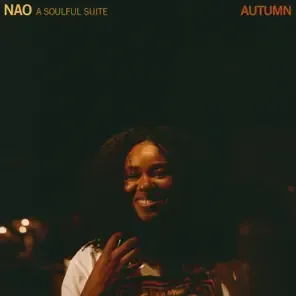
London singer Nao returns to her jazz roots with Autumn, a 10-track album released through Little Tokyo Recordings. Created with producer Dave Okumu, the independent project features no guest appearances and launches A Soulful Suite, a planned four-album series exploring genres that have shaped her musical journey. Moving between traditional jazz, jazz fusion and funky, syncopated grooves, Nao’s distinctive falsetto guides the collection. Songs including “Fly Away,” “Burst,” “Hold Out” and “Save The World” explore seasonal change, healing, perseverance and humanity, capturing autumn’s warmth, reflection and emotional transformation.
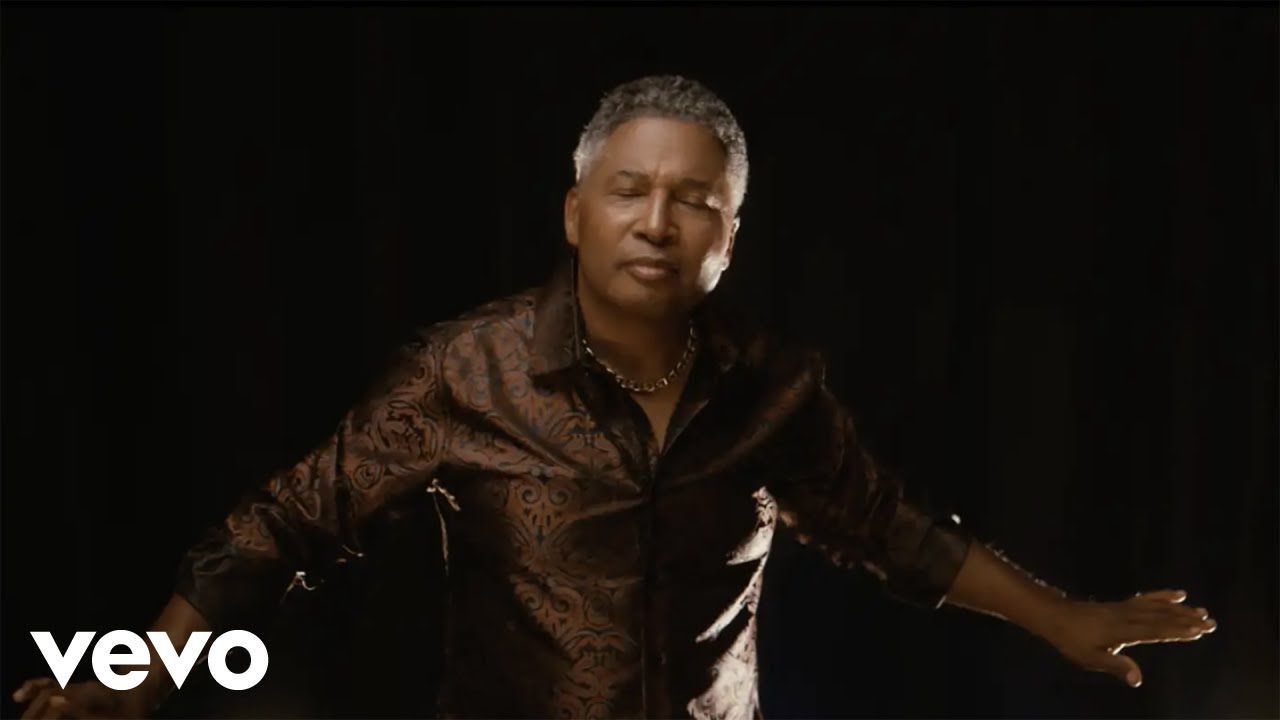
R&B veteran Kevon Edmonds returns with the official music video for his latest solo single, “Right Here,” released October 16. The After 7 member and older brother of Kenneth “Babyface” Edmonds delivers smooth vocals on the romantic slow jam, promising his lady everything she desires in love. Following his chart-topping cover of Sade’s “No Ordinary Love,” Edmonds embraces classic Quiet Storm vibes in the Los Angeles-shot visual, directed by filmmaker Dabling and featuring actress Taylor A. Williams.
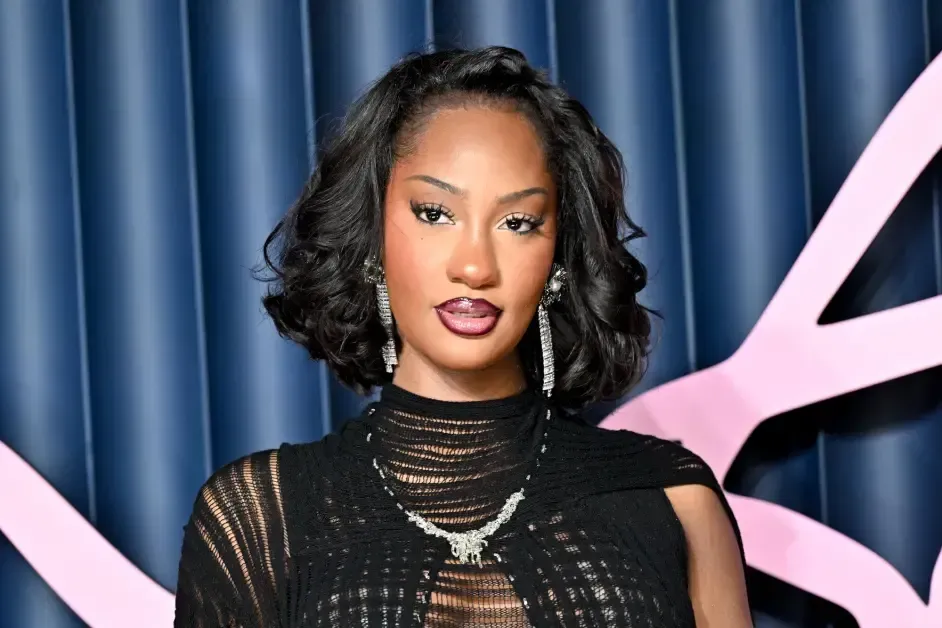
African music is having a moment on the global stage. From Lagos to London, Afrobeats has evolved into a worldwide phenomenon, filling arenas, dominating playlists, and bringing African artists into collaborations with some of the biggest names in music. It is a proud moment for the continent, but beyond the celebrations, an important question remains: Who is actually making money from all this success? According to Spotify’s 2025 Wrapped findings, global Afrobeats listening grew by 22%. While those numbers are impressive, streaming figures alone do not tell us whether the artists behind the music are building lasting wealth. The challenge is that we often confuse visibility with financial success. At BusinessDay’s Creative Entertainment Summit in June 2026, industry leaders highlighted how weak intellectual property systems, inadequate licensing, and external ownership arrangements can limit the value African creators retain. These are issues the industry cannot afford to ignore. International record deals are not inherently bad; they can provide funding, wider distribution, and access to audiences artists might struggle to reach independently. However, when an artist gains global recognition without fully understanding the terms of a contract or retaining meaningful rights to their music, that success can come at a cost. Breaking into international markets should open doors, not force artists to surrender control of the very work that got them there. Beyond ownership and royalties, Africa must also address whether its entertainment infrastructure can keep pace with its growing talent. A May report by The Guardian highlighted challenges facing African promoters, including limited suitable venues, high production costs, and economic barriers. It is difficult to celebrate the global rise of African music without asking why organizing major shows at home remains such a struggle. Still, there are encouraging signs. TurnTable Charts’ first-half 2026 figures placed Dapper Music & Entertainment ahead of other Nigerian-owned music companies, with a reported 3.82% share of the measured market. Although that figure may seem modest, the growing presence of locally owned companies is worth celebrating because ownership matters just as much as visibility. Looking ahead, the next phase of African music’s growth must be about more than awards, viral hits, and streaming records. We need to ask whether songwriters are receiving their royalties, whether independent labels can access investment, and whether African cities have venues capable of hosting major tours. Governments must strengthen copyright enforcement, businesses need to invest in infrastructure, and artists must understand the business side of their careers. Talent may get an artist noticed, but sustainable businesses are what keep an industry alive. African music cannot thrive on a handful of superstars alone; it needs a strong ecosystem in which producers, songwriters, managers, promoters, independent labels, and emerging artists can earn a living, retain value, and grow alongside the industry.
Nigerian Afrobeats artist Fola returns with 9, a 14-track album that highlights his continued growth as an artist. Following his 2025 debut album Catharsis, Fola builds on the sound that has helped him connect with listeners, blending catchy melodies, smooth vocals, and relatable lyrics. Inspired by the number nine’s significance in football, the project reflects his ambition to score big in his career while exploring love, personal growth, and the realities of success. One of the album’s biggest strengths is Fola’s ability to make his music feel personal without sacrificing its replay value. His vocals flow effortlessly over the production, creating a sound that is both engaging and accessible. “Awade” sets the tone with its reflective feel, while “2am in Toronto,” featuring Davido, adds a romantic touch. Collaborations with Ayra Starr, BNXN, and Bella Shmurda bring additional variety, introducing different moods while allowing Fola’s musical identity to remain at the forefront. Overall, 9 is a solid addition to Fola’s growing catalog. While the album stays close to the sound that listeners have come to know and appreciate, it delivers enough memorable moments to keep them coming back. Balancing emotional storytelling with feel-good Afrobeats, the project demonstrates Fola’s understanding of his strengths and signals an artist who continues to refine his sound while carving out his place in the genre. Standout Tracks: “Awade,” “2am in Toronto,” and “Treat U Right.” Rating: 7.5/10 - Joy Nkirote
Rapper Cordae is facing a $25 million federal lawsuit from Florida-based record label MMMG Inc., which is seeking to block the release of his upcoming collaborative album with Anderson .Paak, Heavy Is the Crown. Filed October 15, 2026, in the U.S. District Court for the Southern District of New York, the lawsuit alleges breach of contract and copyright infringement. The complaint names Cordae and three companies involved in the album’s release—APESHIT, Mass Appeal and EMPIRE—as defendants. The project is scheduled to arrive October 23, just eight days after the lawsuit was filed. According to MMMG, the label signed Cordae to an exclusive recording agreement in April 2018 and claims ownership of his recorded copyrights, along with exclusive rights involving merchandise, touring and endorsements. The company argues that its agreement remains enforceable despite Atlantic Records ending its distribution relationship with MMMG in September 2025. MMMG says it secured a replacement distribution arrangement with Stem and notified Cordae’s attorneys. However, the rapper’s lawyers have questioned whether Stem meets the requirements outlined in the original contract. The dispute intensified after Cordae announced Heavy Is the Crown in August and released its lead single, “A Good Day,” with an accompanying music video on September 16. MMMG alleges that the album is being released without its authorization or a license. MMMG is seeking at least $15 million from Cordae for the alleged contract breach, at least $5 million related to copyright claims involving “A Good Day,” and at least $5 million from the companies accused of interfering with its agreement. The label is also requesting an injunction to prevent the unauthorized distribution or use of recordings it claims to own. Anderson .Paak, who operates APESHIT, is not personally named as a defendant. The lawsuit does not automatically prevent the album’s release, and no ruling has established that MMMG’s claims are valid. As of October 16, publicly available docket information did not establish that an emergency injunction had been requested or granted, leaving Heavy Is the Crown scheduled for its October 23 release.
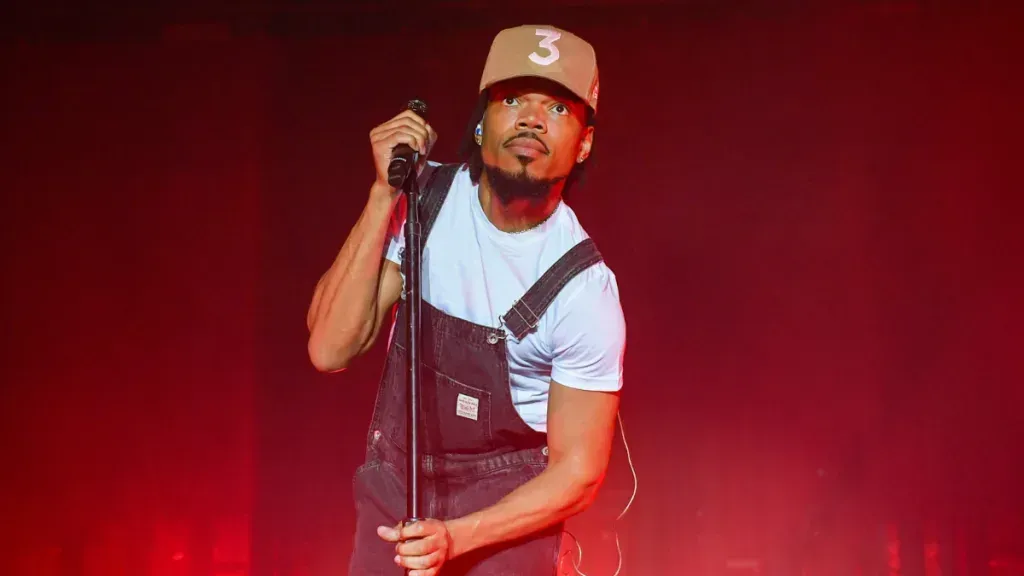
Chance the Rapper has secured another legal victory in his long-running dispute with former manager Pat Corcoran. Cook County Circuit Court Judge James E. Hanlon Jr. ordered Corcoran to forfeit commissions connected to merchandise vendors and his 15% management fee from merchandising deals. According to a 28-page ruling obtained by Rolling Stone, the decision resolves a remaining breach of fiduciary duty claim following Chance’s victory at trial in March involving contract and interference claims. The judge determined that Corcoran improperly profited from merchandise vendors working with the rapper. The exact amount Corcoran must surrender has yet to be determined, but Chance’s representatives estimate that the forfeited management fees could reach $1.5 million, in addition to vendor commissions. However, the judge rejected the rapper’s requests for punitive damages and the forfeiture of all Corcoran’s earnings, ruling that the alleged disloyal conduct was concentrated in the merchandise business. Hanlon explained that stripping Corcoran of all compensation would unfairly penalize legitimate work performed during their professional relationship. The court also ordered Corcoran to transfer ownership of chancraps.com to Chance, whose legal name is Chancelor Bennett. Corcoran registered the domain in his name in 2013 and retained control throughout five years of litigation. Chance expressed relief following the latest ruling, telling Rolling Stone that he was grateful to close this chapter of his life and looked forward to eventually sharing his side of the story. Corcoran’s spokesperson, meanwhile, emphasized that the court found no basis for Chance’s claim seeking more than $10 million in damages. Although the ruling represents another win for the Chicago rapper, the final financial amount Corcoran must forfeit remains unresolved. The decision marks another development in a contentious legal battle between the former business partners.
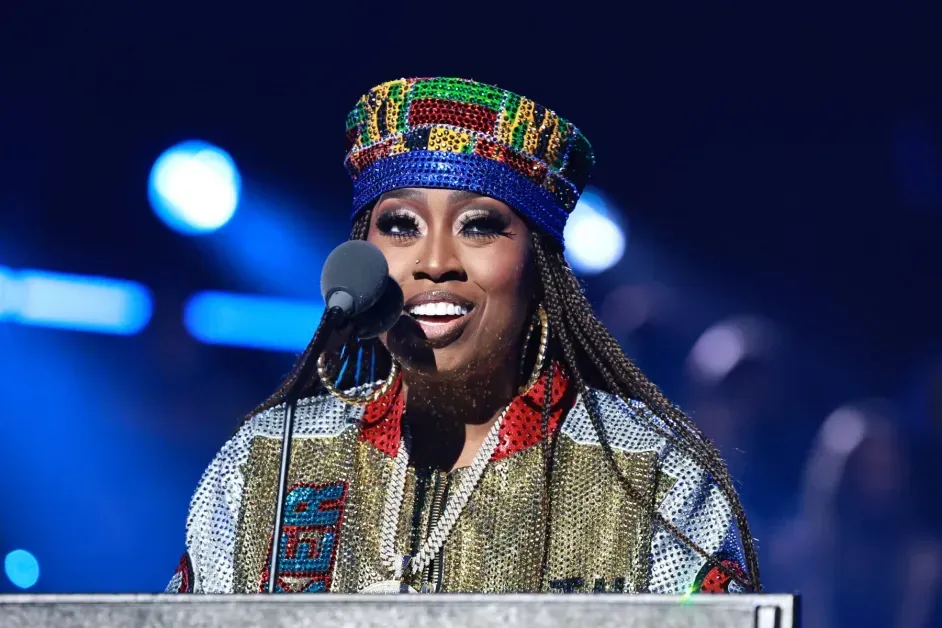
Missy Elliott is set to receive the Icon Award at this year’s Gala of the Stars, an annual benefit supporting Dancers Against Cancer. The honor will be presented by Janet Jackson, who received the award last year. A four-time Grammy winner, Elliott has made history as the first female hip-hop artist inducted into the Songwriters Hall of Fame and the first female rapper inducted into the Rock & Roll Hall of Fame. Her groundbreaking career and influence on generations of musicians and performers have established her as one of hip-hop’s most influential figures. “Missy Elliott represents everything the Icon Award celebrates,” said Noah Lands, executive producer of the Gala of the Stars. He praised her innovative artistry and lasting impact, adding that having Jackson present the award would make the occasion even more special. The event will also recognize dancer and choreographer Toni Basil with the Lifetime Achievement Award. Basil topped the Billboard Hot 100 in 1982 with her hit single “Mickey.” Director and choreographer Vincent Paterson will receive the Vanguard Award, while the recipient of the Paula Abdul Legacy Award has yet to be announced. Dancer and television personality Maksim Chmerkovskiy will host the gala on October 22 at the Beverly Hilton Hotel in Los Angeles. The annual event raises support for Dancers Against Cancer, an organization dedicated to helping members of the dance community affected by cancer. Elliott, who revealed her Graves’ disease diagnosis in 2011 after being diagnosed in 2008, has continued to leave a lasting mark on music and popular culture. Her upcoming recognition celebrates her achievements as an artist, songwriter and trailblazer whose influence extends across generations.

Meek Mill returns with “Wanna Be Free,” featuring Chicago rapper G Herbo, via DreamChasers. The introspective collaboration explores self-preservation, survival, and personal struggles, showcasing both artists’ storytelling abilities. G Herbo complements Meek’s signature North Philadelphia grit with a reflective verse. The single marks Meek’s third official release of 2026, following “600 Racks” and “Nightmares To Dreams,” amid growing fan anticipation fueled by social media teasers and unreleased music previews.