By Status Ain't Hood Staff
•
September 15, 2026
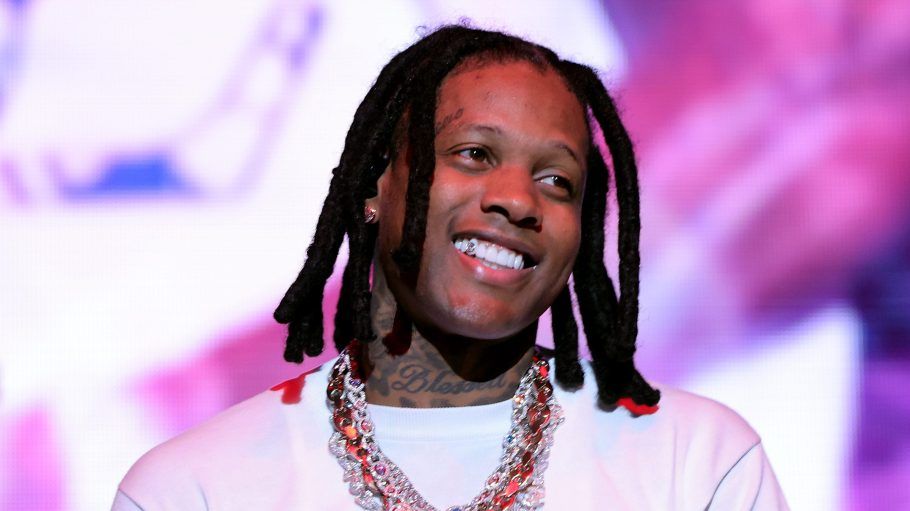
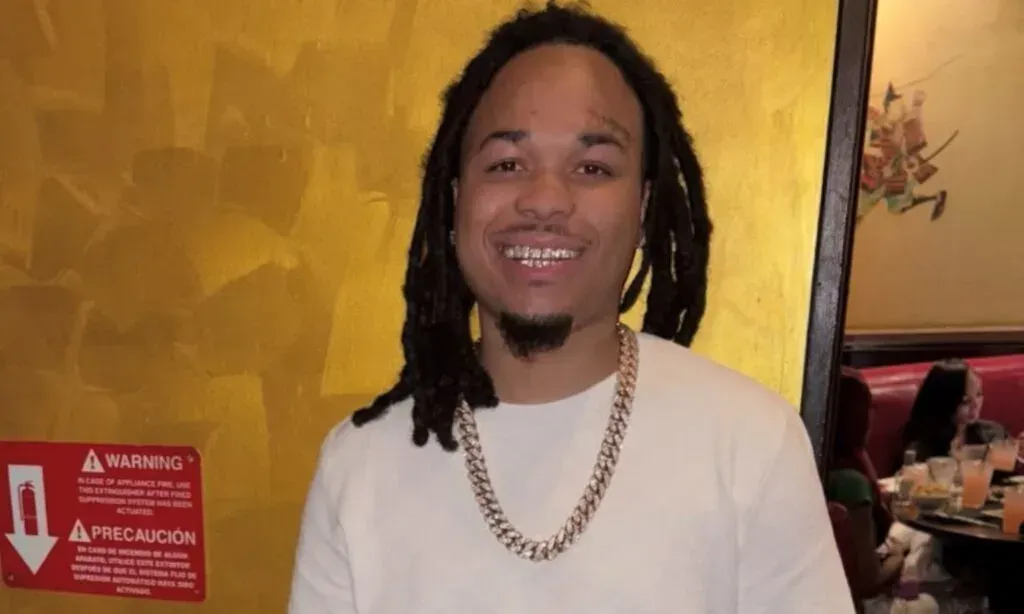
Grammy-winning rapper Lil Durk was acquitted Friday of all charges in a federal murder-for-hire case accusing him of orchestrating a revenge killing targeting rival rapper Quando Rondo. Durk, whose real name is Durk Banks, was accused of ordering and financing a 2022 shooting at a Los Angeles gas station near the Beverly Center. Prosecutors alleged that Banks put a bounty on Rondo, born Tyquian Bowman, in retaliation for the 2020 killing of Banks’ close friend and fellow rapper Dayvon “King Von” Bennett outside an Atlanta nightclub. The alleged hit, however, resulted in the death of Rondo’s 24-year-old cousin, Saviay’a Robinson, who prosecutors said was mistakenly targeted. Two co-defendants, Deandre Dontrell Wilson and David Brian Lindsey, were acquitted of murder-for-hire-related charges but convicted of conspiracy to commit stalking, stalking with a dangerous weapon and stalking resulting in death. Banks was found not guilty on those charges as well. Prosecutors had portrayed the 33-year-old rapper as the leader of a violent criminal organization connected to his music label, Only the Family, alleging that its associates were involved in robbery, murder and drug trafficking. Banks, who won the 2024 Grammy for Best Melodic Rap Performance for “All My Life,” was arrested at a Florida airport in October 2024 after five other suspects were charged. He has maintained his innocence, while his defense argued that a former personal assistant independently arranged the attack in an effort to impress him. Despite Friday’s acquittal, Banks will remain in federal custody and faces another trial scheduled for October 5 on separate murder-related racketeering and weapons charges, according to the U.S. Attorney’s Office in Los Angeles. Wilson and Lindsey are also expected to face trial on those counts. The former assistant and two other associates who were initially indicted alongside Banks reached plea agreements and testified for the prosecution during the case. Following the verdict, supporters of the Chicago-born rapper gathered outside the downtown Los Angeles federal courthouse, celebrating his acquittal.